


Opens in a new tab. Your article title and link are shared only with the AI assistant you choose.
What is local SEO, and why do customers down the street keep finding your competitors first? Visibility is often the missing link between offering an excellent service and receiving the calls, bookings, or visits your business needs. BrightLocal’s July 2026 research found that 84% of surveyed U.S. consumers had searched online for a local business within the previous three months.
That finding reveals an opportunity: customers are already looking, but you need to appear where they search. Local search engine optimization helps your business become visible in Google Search, Google Maps, and other places people check before buying. This guide explains how local SEO works, what to improve first, how to diagnose weak rankings, and which results deserve your attention.
What Is Local SEO and How Does Google Rank Nearby Businesses?
Local SEO improves a business’s visibility when people search for nearby products or services. It targets searches such as “dentist in Austin,” “roof repair near me,” and “coffee shop open now,” where location influences the results. Unlike general SEO, it addresses both your website and the information displayed in local business listings.
Google commonly displays a map-based local pack alongside regular website results. Its published guidance identifies three main considerations for local rankings: relevance, distance, and prominence. Relevance describes how well the business matches a query, distance reflects proximity to the searcher, and prominence considers how well known the business is.
Why Your Ranking Changes Across a City
Your position is not fixed across an entire city because customers search from different locations. A bakery may appear prominently to someone two blocks away but rank lower for someone on the opposite side of town. The wording, competitors, and business relevance also affect what people see.
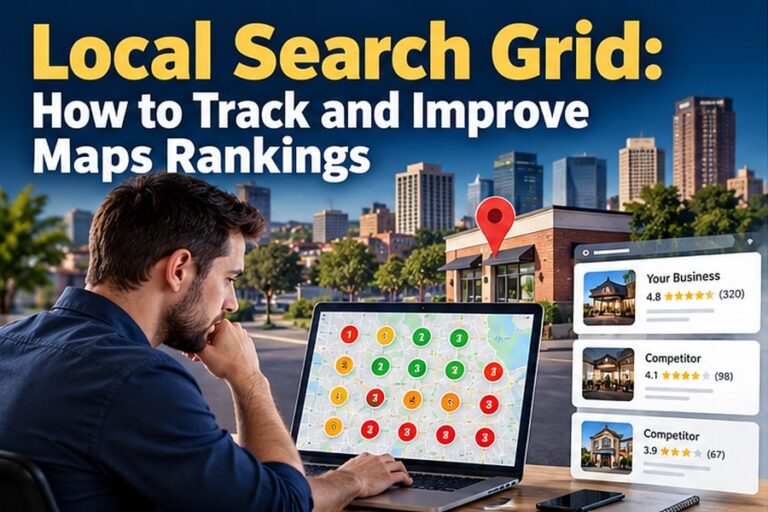
To examine those differences, you can know where you rank with local rank tracker by checking how your Google Maps positions vary across a geographic grid. That view identifies neighborhoods where competitors appear more often. Use those findings to improve pages and business details rather than expecting one position everywhere.
Must-know Tip: Google says businesses cannot pay it for a better organic local ranking. Focus on accurate information and genuine relevance instead of anyone promising a guaranteed Maps position. Paid ads create separate placements, not organic prominence.
Why Does Local SEO Matter for Your Business?
Nearby customers often have a practical need rather than passing curiosity. An emergency plumbing customer wants a phone number, availability, and service coverage. Local SEO connects that immediate intent with a business that can actually help.
BrightLocal’s 2026 consumer search study found that 52% started their most recent local business search on Google Search. In the same research, 73% began their search on a mobile phone, while 75% used more than one channel during the journey. Mobile-friendly pages and consistent information make that journey easier.
Customers also decide quickly, which increases the cost of unclear information. BrightLocal found that 28% of surveyed consumers decided on a local business in less than five minutes during their most recent search. Make your hours, services, and contact options easy to locate.
Review quality matters beyond simple visibility because customers compare businesses before committing. BrightLocal’s 2026 review survey reported that 97% of consumers read local business reviews, and 85% said positive reviews made them more likely to use a business. It also found that 54% visited a website after positive reviews, presenting another chance to earn an inquiry.
Must-know Tip: As BrightLocal writer Rosie Murphy puts it, “Google should still be your #1 priority before you start worrying about other channels.” Paid search buys temporary sponsored visibility, while local SEO works toward unpaid discovery. Both approaches need clear services, working phone numbers, useful details, and easy contact options to generate business.
How to Start and Improve Local SEO in 30 Days
Begin with accurate business details and pages that match customer needs. Focus on services that generate valuable inquiries instead of publishing many similar location pages. Record initial rankings to compare progress.
- Week 1: Verify your eligible Google Business Profile, choose truthful categories, and correct hours, services, and contact details.
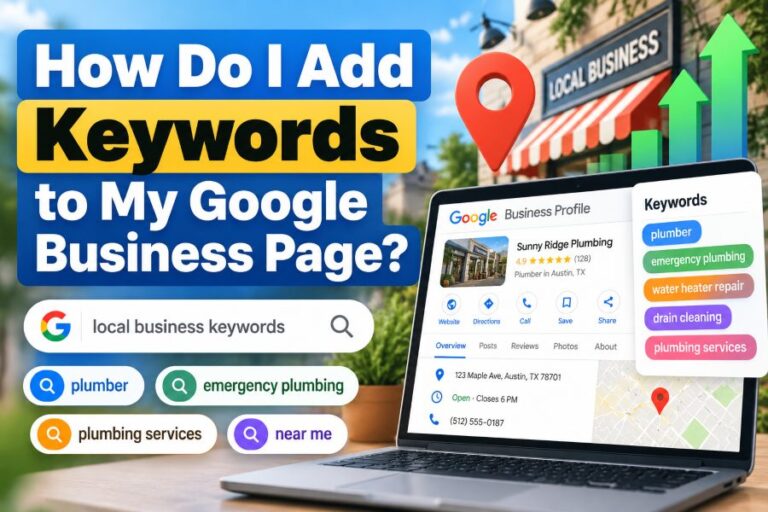
- Week 2: Research service and city queries, compare competing pages, and group related keywords by customer intent.
- Week 3: Update mobile pages, helpful service content, internal links, and genuine location details.
- Week 4: Request honest reviews, check major business listings, and begin tracking leads and geographic rankings.
Make Business Profiles and Service Pages Useful
Your Business Profile should accurately describe services and include authentic photos. Create clear pages for distinct services, adding local details when they help visitors. Avoid fake storefronts, stuffed business names, and near-identical city pages.
Customer feedback also shapes buying decisions. BrightLocal’s 2026 review survey found 41% always read reviews and 74% valued reviews from the past three months. It found 68% required at least four stars and 47% rejected businesses with fewer than 20 reviews.
Must-know Tip: Whitespark founder Darren Shaw advises “making review requests part of your regular ongoing local SEO strategy.” Invite all genuine customers to share their experiences without demanding positive sentiment or offering prohibited incentives. The FTC’s consumer review rule, effective October 21, 2024, restricts deceptive practices including buying sentiment-conditioned reviews.
Keep citations accurate across important directories and industry sites. Fix duplicate listings and add factual LocalBusiness structured data to relevant pages. Schema helps describe a business but cannot guarantee rankings.
How to Track Local Rankings, Fix Problems, and Measure ROI

Measure local SEO by business results, not merely first-place rankings. Start with calls, completed forms, appointment requests, direction requests, and qualified leads, then compare those signals with actual customers and revenue. Use Google Search Console for search visibility, website analytics for visitor behavior, and tagged profile links where appropriate.
A geographic grid shows where your business appears across neighborhoods. If visibility falls, first check whether your Business Profile remains eligible, verified, and accurate before changing every website page. Compare the same keyword, device, and locations because one grid point cannot describe the whole city.
A Practical Example of Local SEO Troubleshooting
Consider an illustrative plumbing company in Columbus that receives website visits but few booked jobs. A review of its profile reveals an outdated phone number, while its service page lacks emergency availability and a clear call button. Correcting them helps visitors without guaranteeing a ranking increase.
To understand return on investment, subtract monthly SEO spending from the estimated gross profit attributable to new organic local customers. Divide that difference by SEO spending, then multiply by 100 to express an estimated ROI percentage. Use conservative attribution because several channels may influence one sale.
BrightLocal’s July 2026 research found that 23% of consumers used AI tools during their most recent local business search. BrightLocal also reported that 45% had used AI for local recommendations in the preceding year. Check descriptions across search, directories, and AI answers, then correct errors at their source.
Conclusion
What is local SEO at its core? It is the work of making your business easier to find, evaluate, and contact when someone nearby needs what you sell. The best strategy combines an accurate Google Business Profile, relevant website pages, trustworthy reviews, and meaningful tracking.
Begin with the details that prevent customers from choosing you, such as wrong hours, unclear services, slow mobile pages, or missing contact options. Next, strengthen your visibility in the neighborhoods and search terms where your customers are most likely to buy. Review results regularly and judge progress by qualified inquiries and profitable work rather than isolated ranking screenshots.
Local SEO is not a trick for forcing your business above closer competitors. It is an ongoing way to show customers why you are reliable and worth contacting. The questions below address common obstacles you may encounter as you put that system into practice.
Frequently Asked Questions About Local SEO
Is Local SEO Free?
You can create an eligible Google Business Profile without paying Google. Website work or tracking may cost money. Your total depends on the help you need.
How Long Does Local SEO Take?
Information corrections may appear quickly, but rankings can change gradually. Competition affects the timeline. Track results over several months rather than expecting a guarantee.
Can You Do Local SEO Without a Website?
An eligible Business Profile can appear without a website. However, useful service pages can build confidence. A website also gives customers clearer ways to contact you.
Does Local SEO Work for Service-Area Businesses?
Yes, eligible businesses serving customers at their locations can participate. Follow Google’s address-display rules. Adding extra service cities does not ensure rankings in those places.
Is Local SEO Better Than Google Ads?
The approaches serve different purposes. Local SEO improves unpaid discoverability, while ads purchase sponsored visibility. Many businesses benefit from a measured combination of both.
What Is Google’s Local Pack?
It is a map-linked group of businesses for a local search. It may display reviews and directions. Those listings differ from regular website results.
Do Reviews Affect Google Maps Rankings?
Google identifies reviews as one aspect of local prominence. They also help customers judge a business. Seek genuine feedback and avoid manipulative review tactics.
How Many Local Keywords Do You Need?
There is no fixed number. Begin with your main services and real operating areas. Group similar searches so each page answers a clear need.
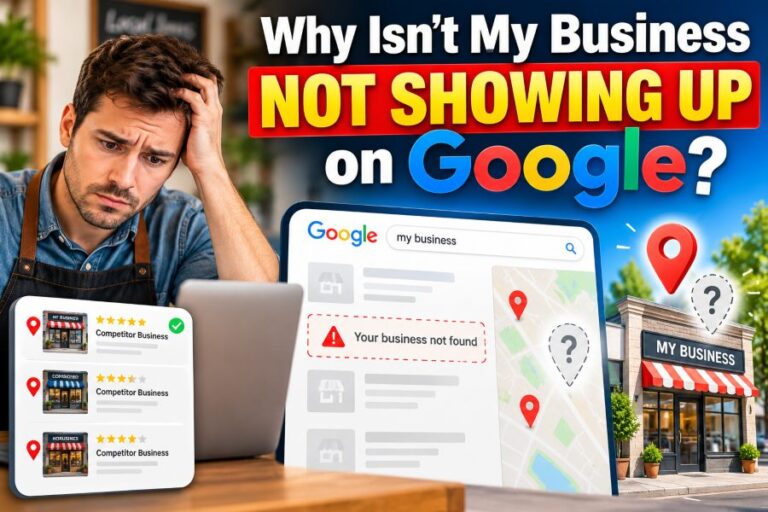
Why Is My Business Missing From Maps?
Your profile may have verification, eligibility, or accuracy problems. You may also rank poorly from that search location. Check profile status before assuming a penalty.
Can You Rank Outside Your City?
Some businesses appear beyond their immediate area. Proximity and local competition still matter. Adding distant city names to pages does not remove those limitations.
What Are Local Citations?
Citations mention your business on other websites. Accurate listings help customers identify your contact details. Prioritize reputable directories and relevant local organizations.
Will AI Search Replace Local SEO?
AI is another discovery channel, not a complete replacement. Customers still verify businesses through search, reviews, and websites. Keep public business details accurate everywhere.

Comments
0 responsesNo comments yet. Be the first to share your thoughts.